Introduction
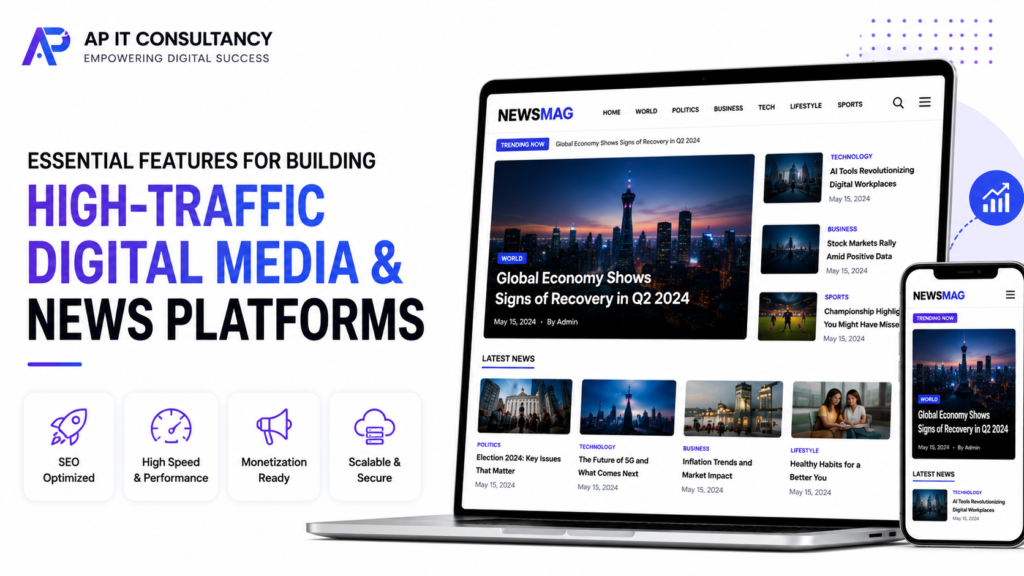
The digital publishing industry has experienced tremendous growth over the last decade. Traditional newspapers, online magazines, niche blogs, and independent media companies now compete for readers in an increasingly crowded online space. With millions of articles published every day, success depends on much more than producing quality content. Modern readers expect websites to load instantly, work seamlessly across every device, and provide an enjoyable browsing experience without interruptions. At the same time, search engines reward websites that offer excellent performance, clean architecture, and valuable content.
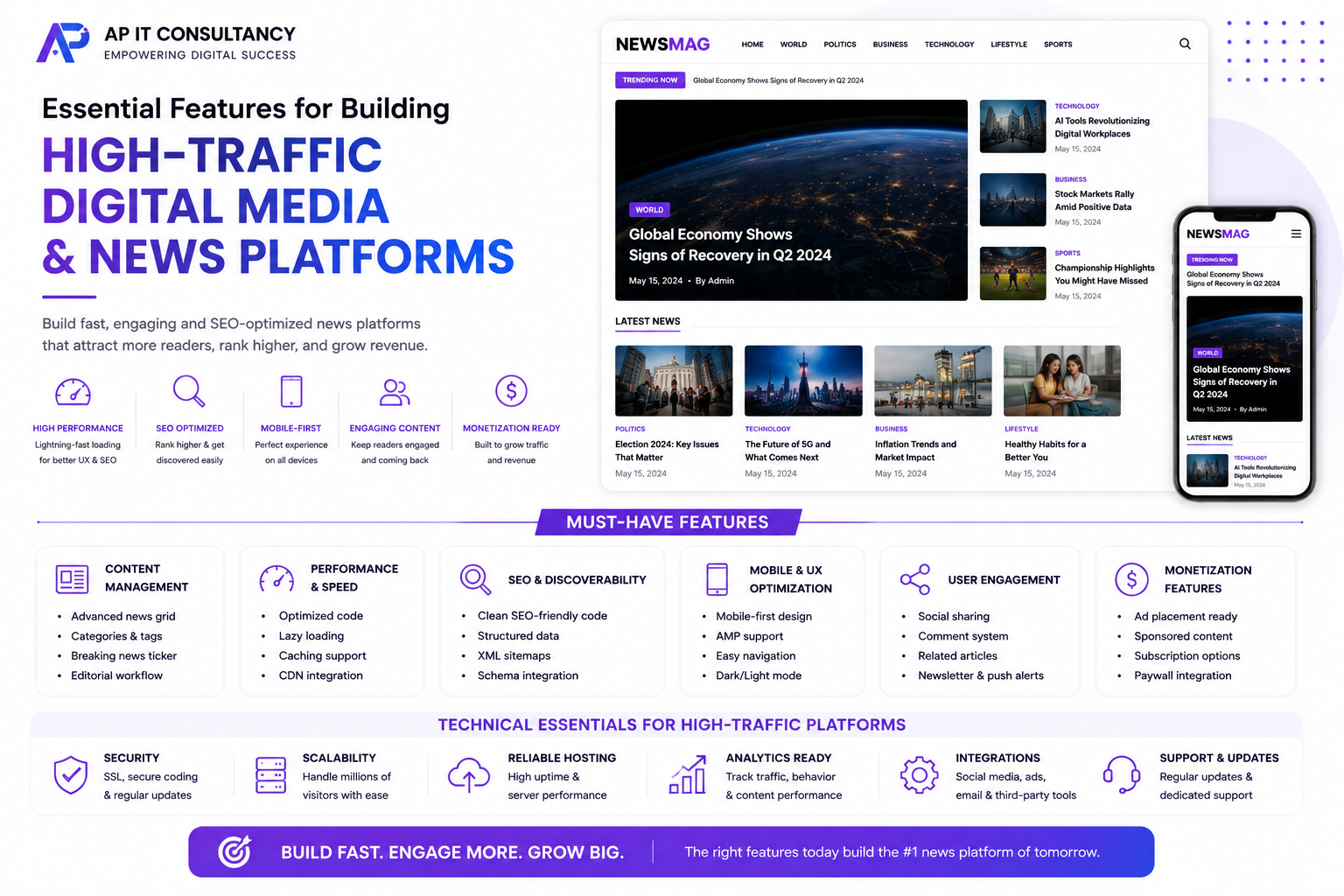
Building a high-traffic digital media platform requires careful planning from the very beginning. The technology behind the website must support thousands—or even millions—of visitors without slowing down during periods of heavy traffic. Editors need efficient publishing tools, readers need intuitive navigation, advertisers require flexible placement options, and search engines need well-structured content to understand and rank articles effectively.
Whether you’re creating an online newspaper, technology publication, business magazine, entertainment portal, sports website, or regional news platform, choosing the right features will determine how well your website performs over time. Investing in speed, scalability, security, SEO, and user experience creates a strong foundation for long-term growth while making it easier to attract loyal readers and generate sustainable revenue.
This guide explores the essential features every high-traffic digital media and news platform should include to remain competitive in today’s fast-moving digital environment.
High-Speed Website Performance
Website speed is one of the most important factors affecting reader engagement and search engine rankings.
Visitors expect pages to load within a few seconds. If articles load slowly, readers often leave before viewing the content, increasing bounce rates and reducing advertising revenue.
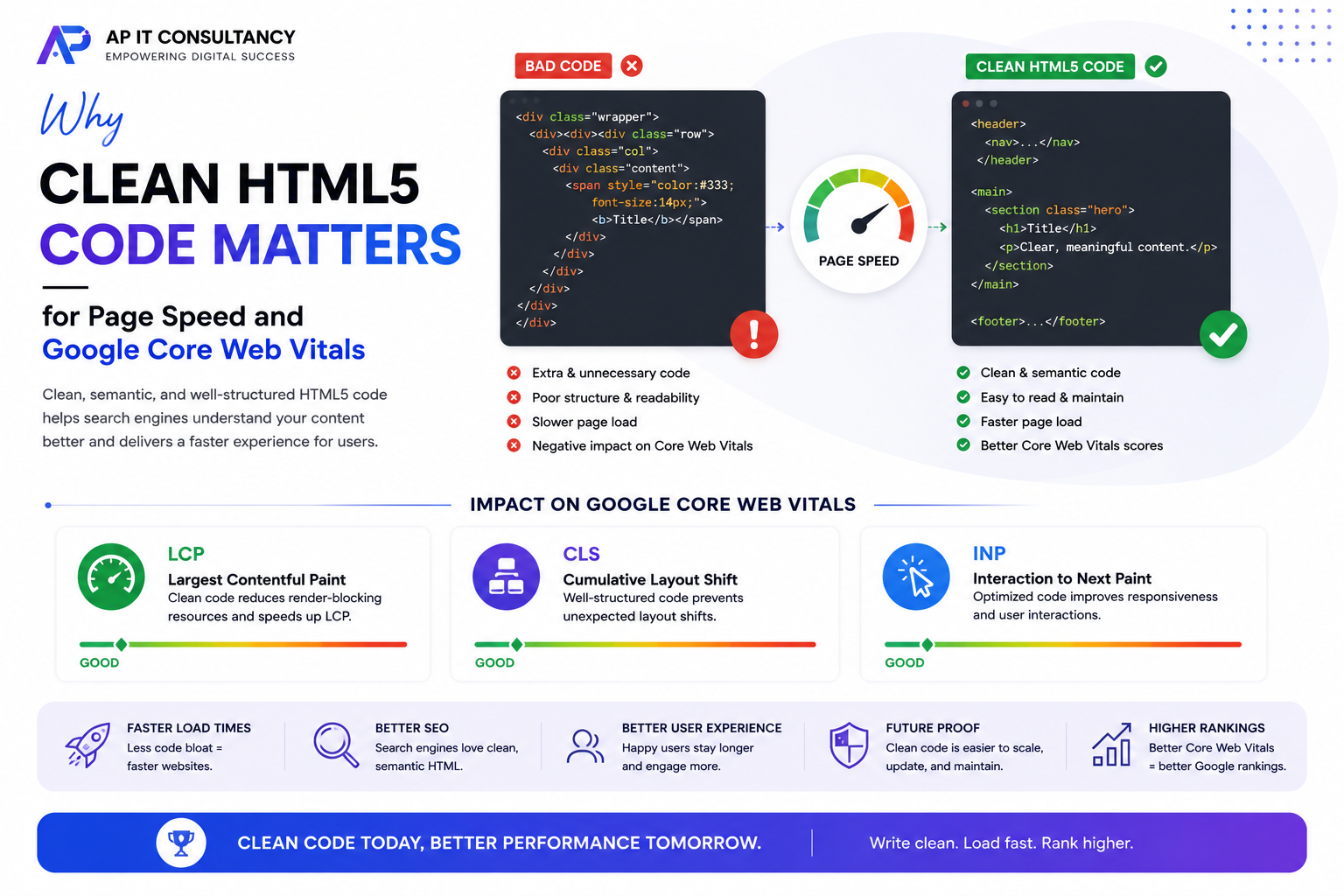
Fast-loading websites also perform better in Google’s Core Web Vitals, improving search visibility and user satisfaction.
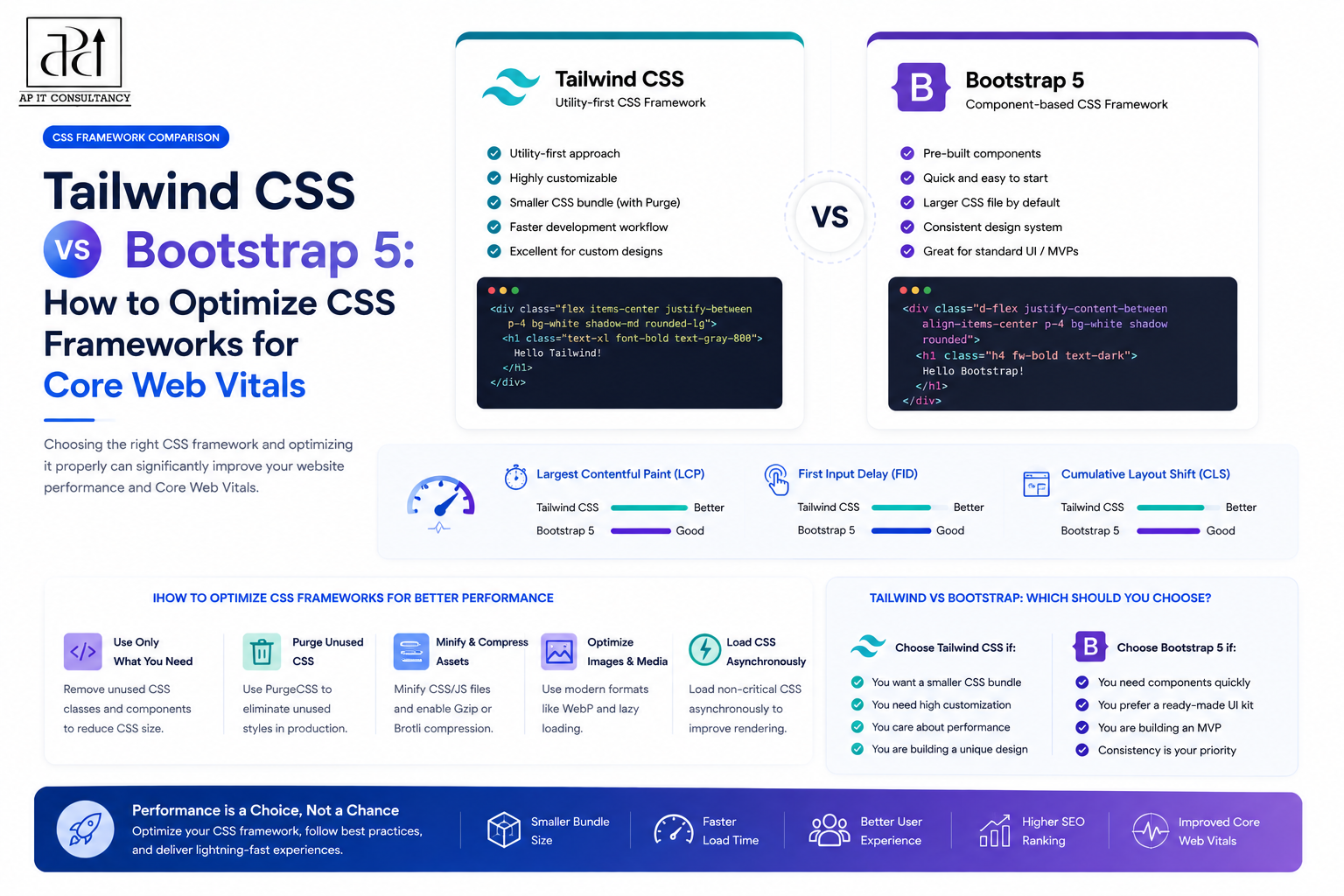
Performance optimization begins with lightweight HTML, optimized CSS, compressed JavaScript, modern image formats such as WebP, browser caching, lazy loading, and reliable hosting infrastructure.
Combining these techniques creates a smooth reading experience even during periods of heavy traffic.
Mobile-First Responsive Design
The majority of digital news consumption now occurs on smartphones.
Readers expect articles, images, navigation menus, advertisements, and videos to display perfectly regardless of screen size.
A responsive website automatically adapts its layout for desktops, tablets, and mobile devices without sacrificing readability or functionality.
Touch-friendly buttons, readable typography, proper spacing, and optimized mobile navigation encourage users to spend more time exploring content.
Since Google primarily indexes mobile versions of websites, responsive design also contributes to stronger SEO performance.
Powerful Content Management System
Publishing dozens of articles every day requires an efficient content management system.
WordPress remains one of the most popular platforms because it enables journalists, editors, and publishers to create, schedule, organize, and update content with minimal technical knowledge.
A strong CMS should support multiple author accounts, editorial approval workflows, revision history, media management, scheduled publishing, and role-based permissions.
Efficient content management improves productivity while allowing editorial teams to focus on creating quality journalism.
SEO-Optimized Website Architecture
Search engines continue to drive significant traffic for digital media platforms.
SEO-friendly architecture includes semantic HTML5, optimized heading structures, clean URLs, XML sitemaps, breadcrumb navigation, structured data, and schema markup.
Proper internal linking between articles, categories, and tags helps search engines understand content relationships while encouraging readers to discover additional articles.
Technical SEO combined with high-quality journalism creates greater opportunities for long-term organic growth.
Smart Navigation and Content Organization
As content libraries expand, organizing information becomes increasingly important.
Visitors should be able to browse articles through categories, tags, trending stories, featured content, editor’s picks, and breaking news sections.
Well-structured navigation helps readers locate relevant information quickly while increasing page views and session duration.
Logical content organization also improves website crawlability for search engines.
An organized website keeps readers engaged for longer periods.
Advanced Search Functionality
Readers frequently visit news websites looking for specific stories or topics.
A powerful search system allows users to locate articles using keywords, categories, publication dates, authors, or tags.
Fast and accurate search results improve user experience while helping older content continue generating traffic.
Advanced filtering becomes especially valuable for large news archives containing thousands of published articles.
Scalable Infrastructure
High-traffic websites must be prepared for sudden traffic spikes.
Breaking news events, viral stories, and social media exposure can dramatically increase visitor numbers within minutes.
Cloud hosting, Content Delivery Networks (CDNs), server-side caching, database optimization, and load balancing help websites remain stable during periods of heavy demand.
Scalable infrastructure protects user experience while preventing costly downtime.
Flexible Advertisement Management
Advertising remains one of the primary revenue sources for online publishers.
A modern news platform should support banner advertisements, native advertising, sponsored content, affiliate promotions, and video advertisements without negatively affecting website usability.
Advertisement placement should balance revenue generation with reader experience.
Responsive advertisement layouts ensure campaigns display properly across every device.
Flexible advertising systems allow publishers to maximize monetization opportunities.
Multimedia Content Support
Modern journalism extends far beyond written articles.
Readers increasingly expect videos, podcasts, image galleries, infographics, interactive graphics, live blogs, and embedded social media content.
Supporting multiple media formats creates more engaging experiences while helping publishers reach broader audiences.
Efficient multimedia optimization ensures rich content doesn’t compromise loading performance.
Social Media Integration
Social media platforms play an essential role in content distribution.
Readers should be able to share articles quickly across Facebook, X, LinkedIn, Pinterest, WhatsApp, and other platforms.
Open Graph metadata, Twitter Cards, featured images, and optimized sharing previews improve visibility whenever articles are shared online.
Strong social integration increases referral traffic while expanding audience reach.
Newsletter and Subscriber Management
Building an email subscriber list creates a valuable long-term marketing asset.
Newsletter signup forms should appear naturally throughout the website without interrupting the reading experience.
Automated newsletters featuring breaking news, weekly highlights, or personalized recommendations encourage repeat visits and strengthen audience loyalty.
Email marketing reduces dependence on search engine algorithms and social media traffic.
Robust Security Features
News websites often become targets for cyberattacks due to their visibility and traffic levels.
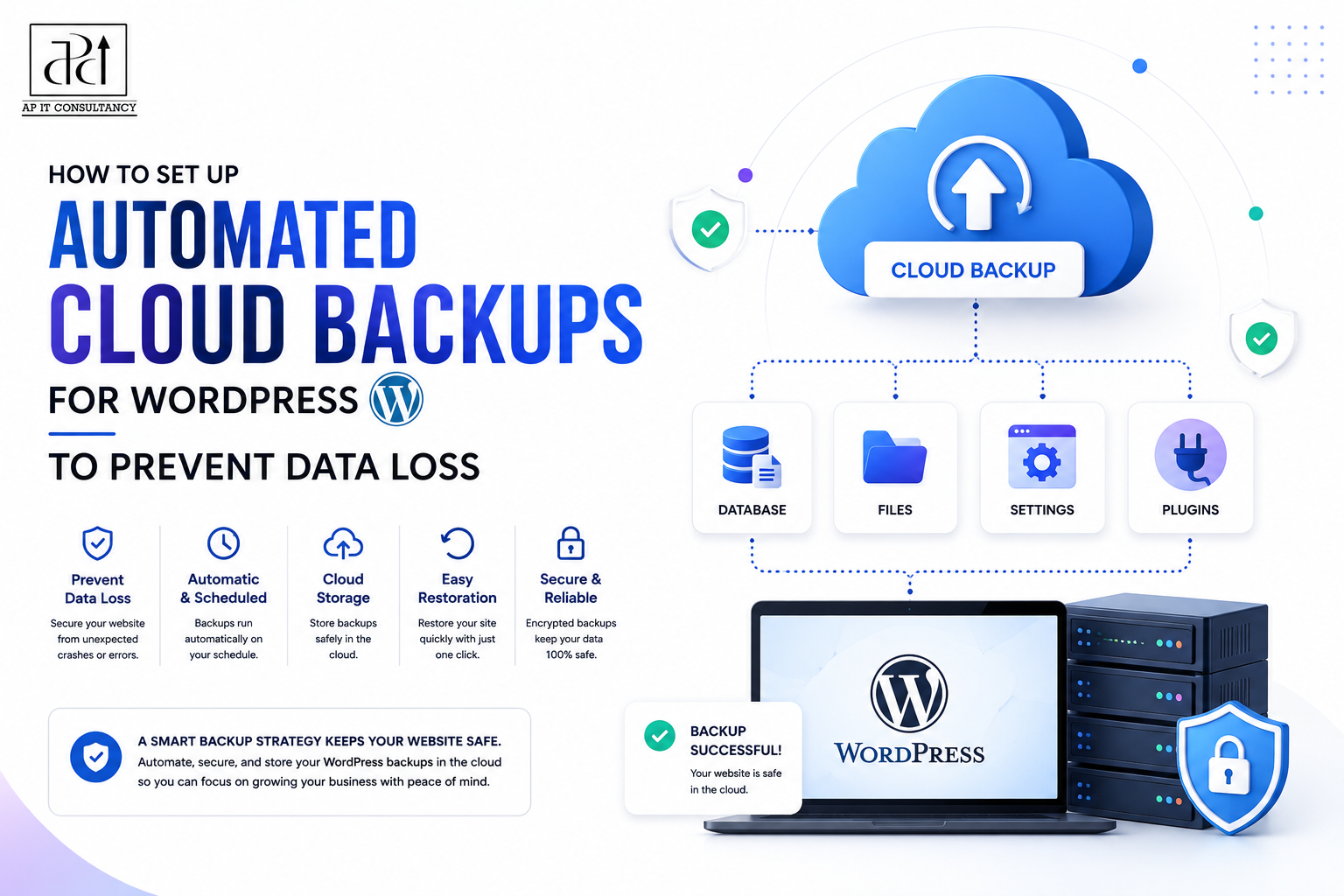
Security should include SSL certificates, secure authentication, Web Application Firewalls (WAF), malware scanning, automated backups, two-factor authentication, and regular software updates.
Routine security monitoring helps detect vulnerabilities before they become serious problems.
Protecting both website infrastructure and editorial content is essential for maintaining trust.
Analytics and Reader Insights
Understanding audience behavior helps publishers make informed editorial decisions.
Analytics tools provide detailed information about visitor demographics, traffic sources, article popularity, reading time, bounce rates, and conversion performance.
Editors can use this information to improve content strategies, optimize publishing schedules, and identify topics that resonate with readers.
Data-driven publishing contributes to sustainable long-term growth.
Accessibility and Inclusive Design
Every reader should be able to access digital content regardless of physical ability.
Semantic HTML, keyboard navigation, descriptive image alt text, sufficient color contrast, logical heading hierarchy, and screen reader compatibility improve website accessibility.
Inclusive design creates better experiences for all users while supporting modern web standards and improving SEO.
Accessible websites also demonstrate professionalism and social responsibility.
Final Thoughts
Creating a successful high-traffic digital media or news platform requires far more than publishing engaging articles. Performance, scalability, responsive design, SEO, security, content organization, accessibility, and user experience all play critical roles in determining whether readers stay engaged and return regularly. A well-designed platform ensures visitors can discover content quickly, enjoy fast page loading, navigate effortlessly, and share articles across multiple channels.
By investing in a powerful content management system, scalable hosting, mobile optimization, advanced search functionality, flexible advertising solutions, and strong security measures, publishers build a foundation capable of supporting continuous growth. As digital publishing continues to evolve, media organizations that prioritize both technology and quality journalism will be better positioned to attract loyal audiences, improve search rankings, increase advertising revenue, and remain competitive in an increasingly demanding online marketplace.