Introduction
For small businesses and startups, a website is more than just an online presence—it’s a powerful marketing tool that helps attract customers, build credibility, and generate sales. Whether you’re launching a local business, an online store, a consulting firm, or a tech startup, your website often creates the first impression potential customers have of your brand. Choosing the right website template is one of the most important decisions you’ll make because it directly affects your site’s design, performance, user experience, and long-term growth.
With thousands of website templates available for WordPress, HTML, Shopify, Webflow, and other platforms, selecting the right one can quickly become overwhelming. Some templates focus on stunning visuals but sacrifice performance, while others prioritize speed but offer limited customization. The ideal template strikes a balance between attractive design, fast loading speeds, mobile responsiveness, and flexibility for future expansion.
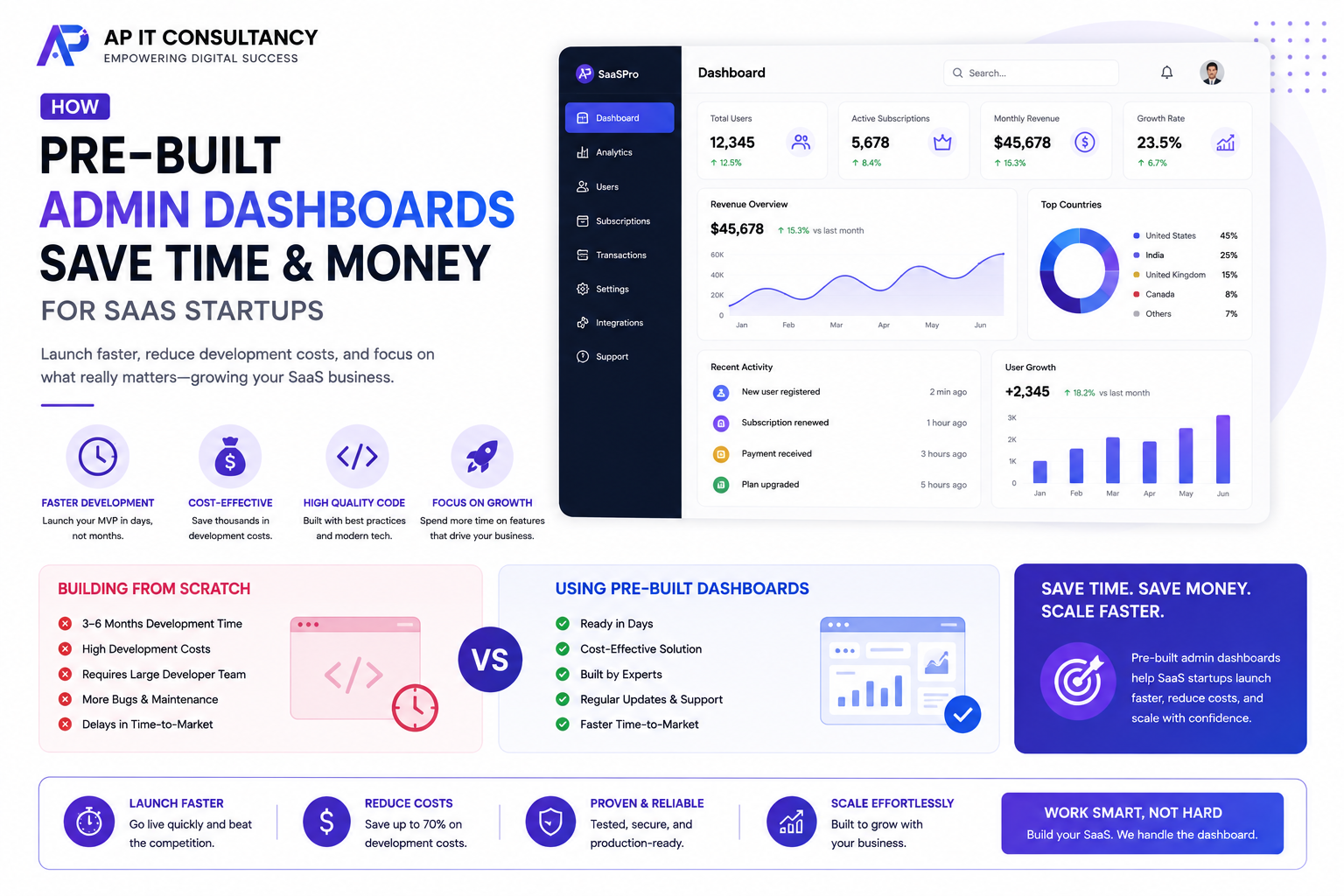
A well-designed template saves time during development, reduces maintenance costs, and creates a professional appearance without requiring extensive coding knowledge. In this guide, we’ll explore the most important factors to consider when choosing a website template for your small business or startup, helping you build a website that supports your goals today and grows with your business tomorrow.
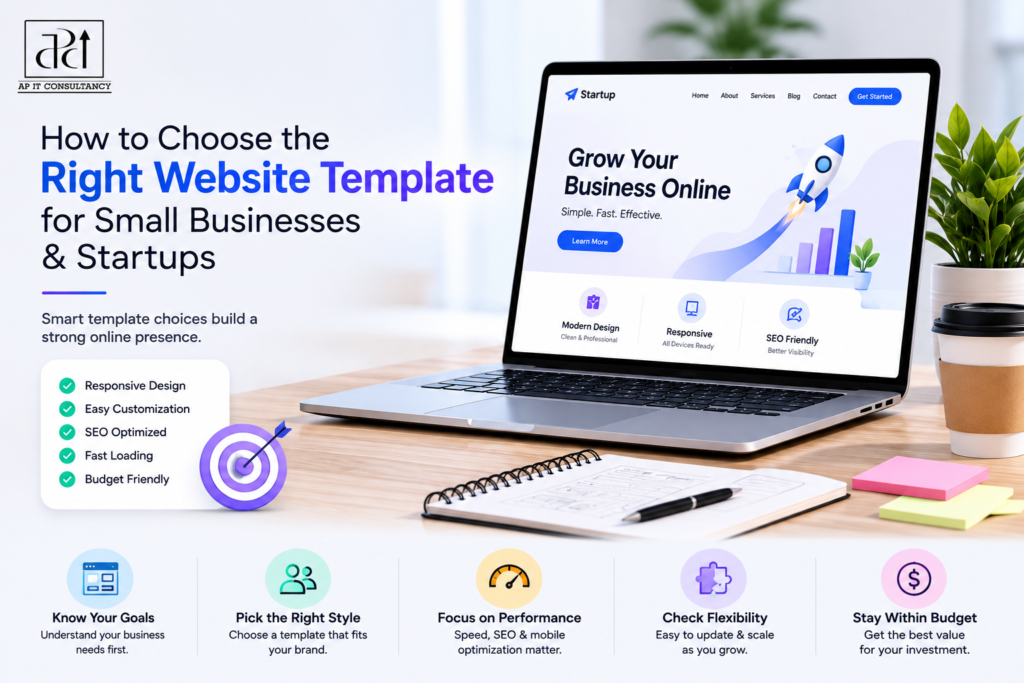
Understand Your Business Goals
Before browsing template marketplaces, define what you want your website to achieve.
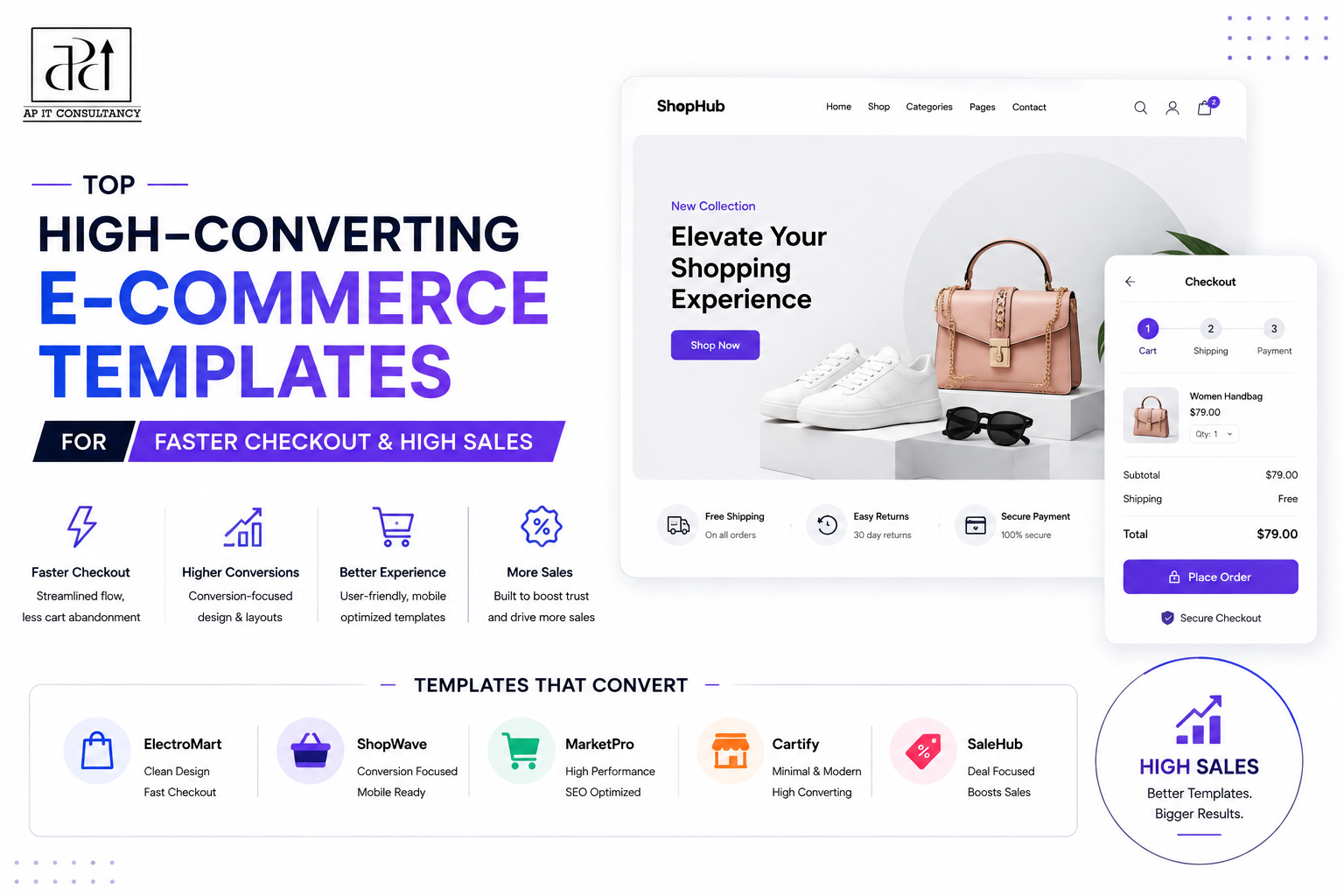
A local service business may need appointment booking and contact forms, while an eCommerce startup requires product pages, shopping carts, and secure checkout functionality. A digital agency might focus on showcasing a portfolio, whereas a SaaS company may prioritize landing pages, pricing sections, and lead generation forms.
Choosing a template that matches your business objectives reduces unnecessary customization and helps launch your website faster.
The more closely the template aligns with your goals, the less time you’ll spend making structural changes later.
Prioritize Speed and Performance
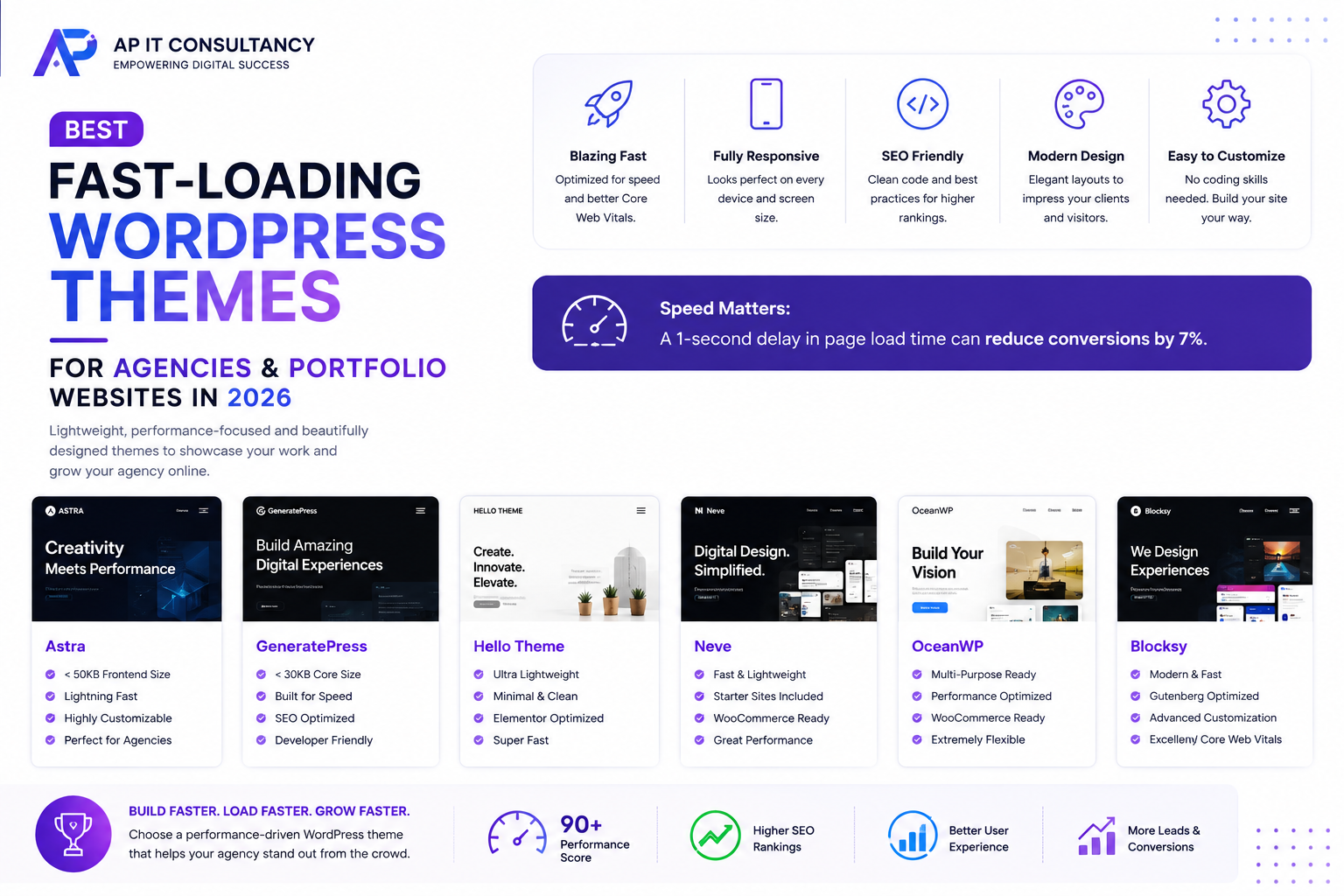
Website speed plays a major role in user experience and search engine rankings.
Visitors expect websites to load quickly, and even small delays can increase bounce rates and reduce conversions. Search engines also favor fast websites, making performance an essential factor when selecting a template.
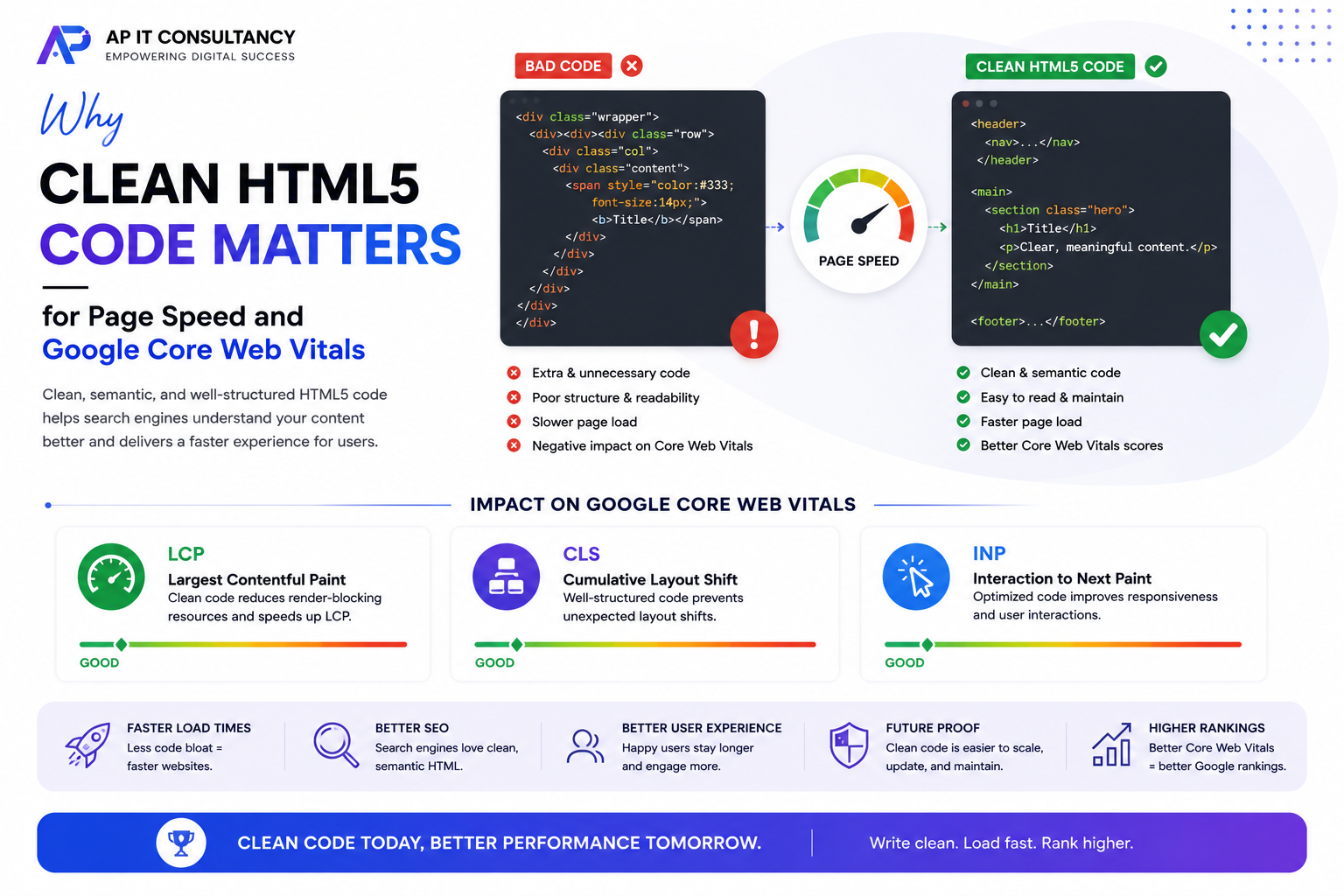
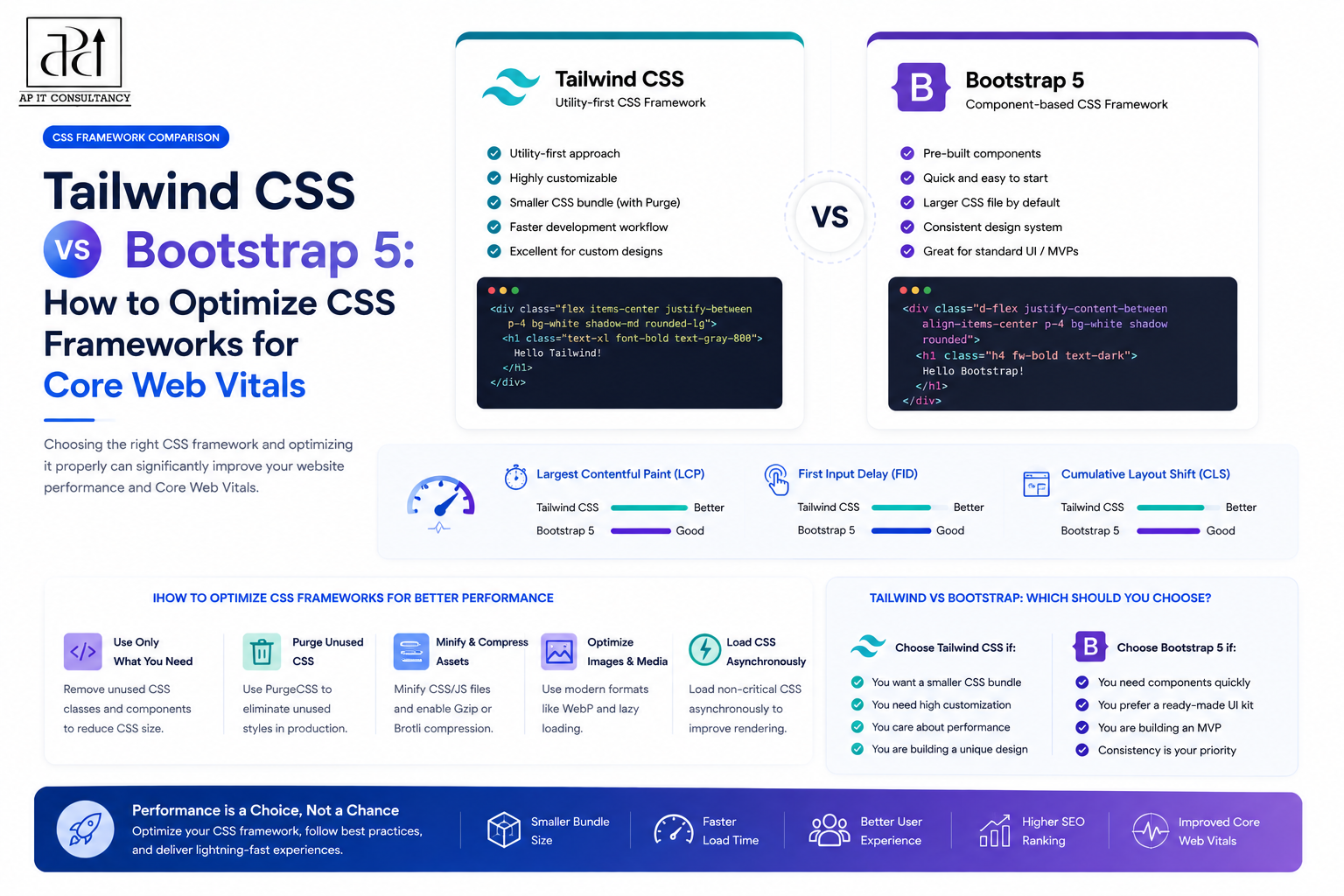
Look for lightweight templates built with clean HTML, CSS, and JavaScript. Avoid templates overloaded with animations, unnecessary plugins, and excessive visual effects that slow down page loading.
A fast template provides a strong foundation for achieving excellent Core Web Vitals and better SEO performance.
Choose a Mobile-Responsive Template
Most internet users now browse websites using smartphones and tablets.
Your template should automatically adapt to different screen sizes while maintaining readability, navigation, and functionality across all devices.
Responsive templates improve customer experience by ensuring buttons remain touch-friendly, images scale correctly, and content stays organized regardless of screen size.
Google also prioritizes mobile-friendly websites in its search results, making responsive design an essential requirement rather than an optional feature.
Look for Easy Customization
Every business has unique branding requirements.
Choose a template that allows you to easily customize colors, typography, layouts, headers, footers, and page sections without requiring advanced coding knowledge.
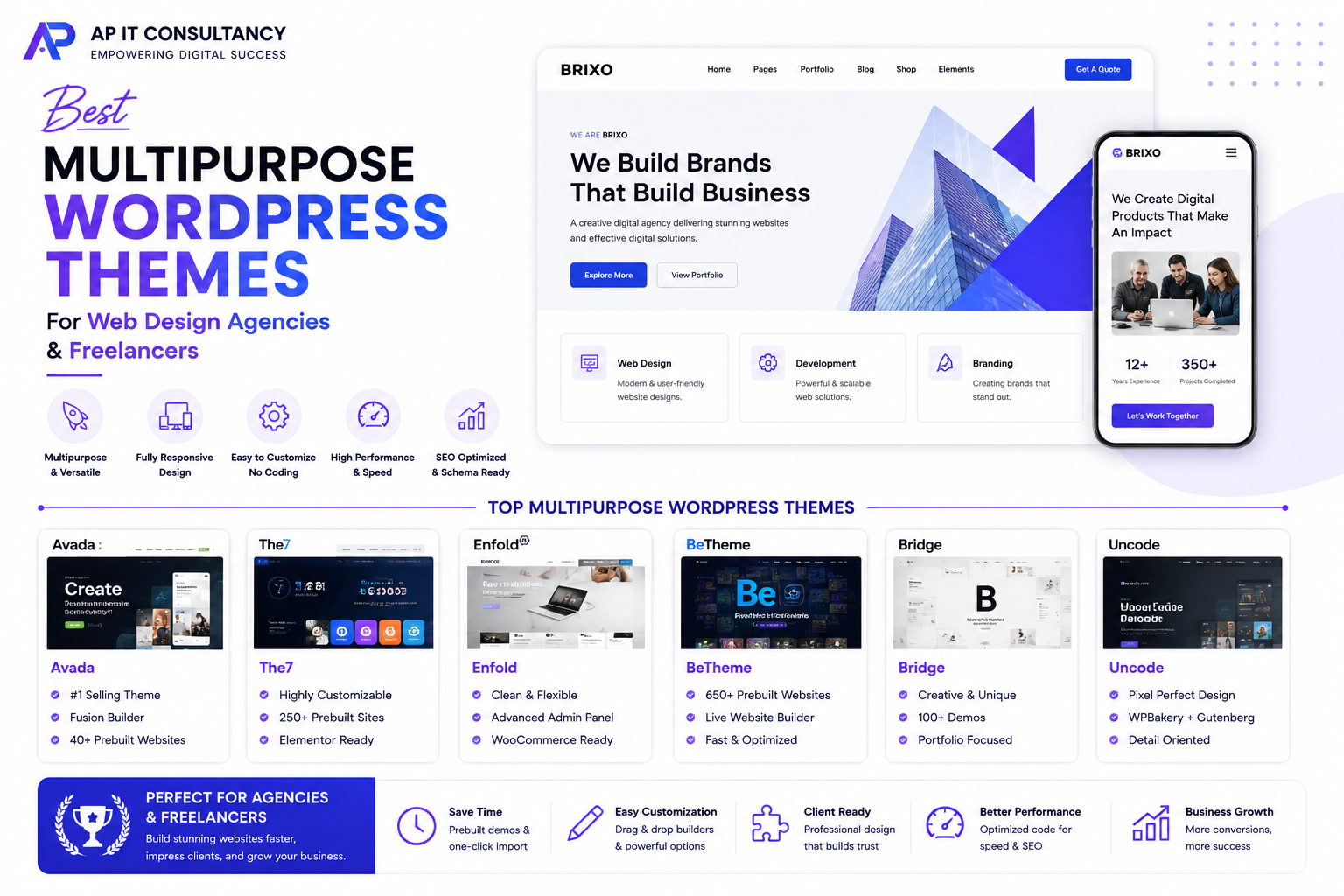
Flexible templates work well with page builders like Elementor, Gutenberg, Bricks Builder, or Beaver Builder, making future updates much easier.
As your business grows, you’ll appreciate having a template that can adapt without requiring a complete redesign.
Consider SEO-Friendly Design
A visually attractive website has limited value if potential customers can’t find it online.
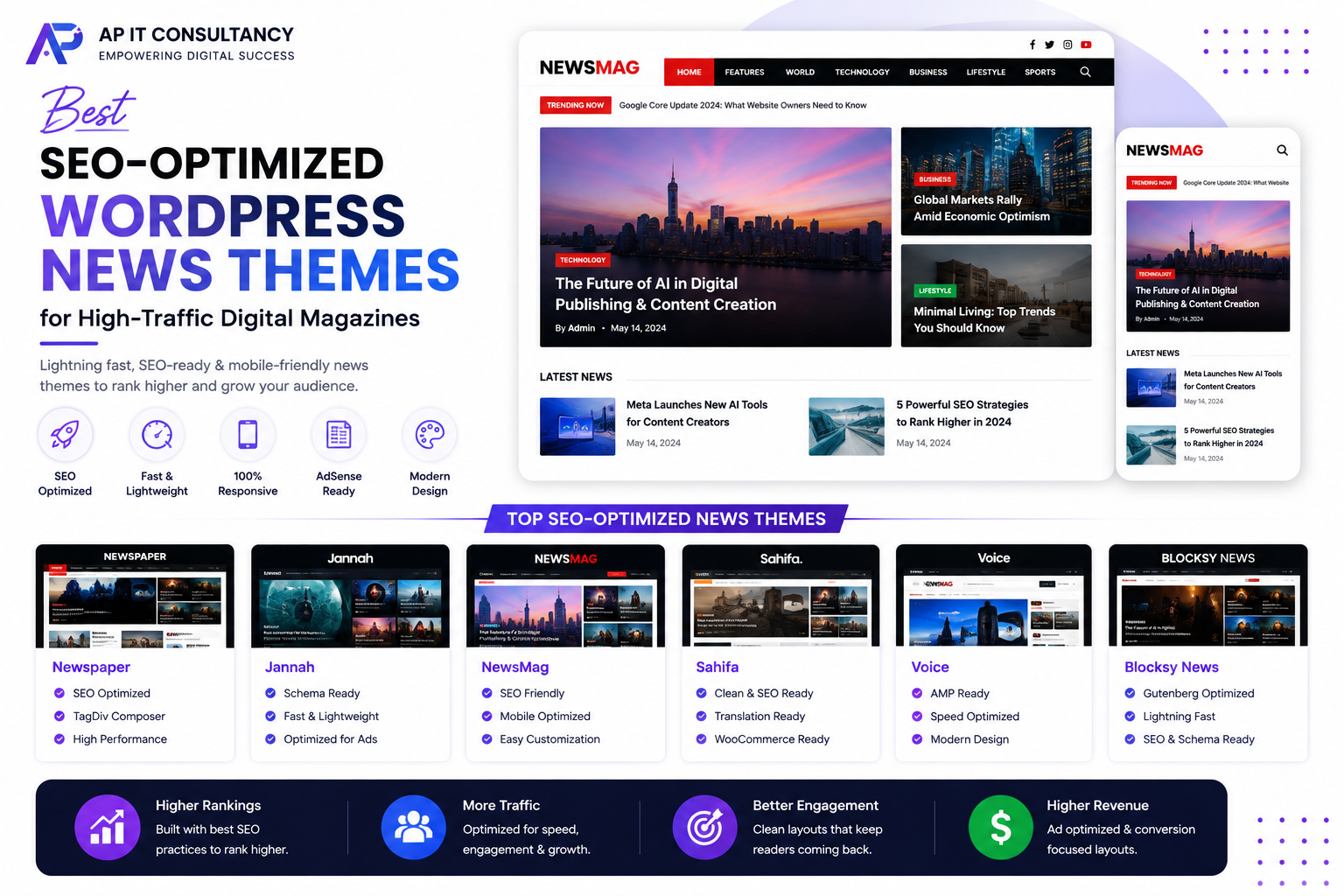
SEO-friendly templates use clean code, proper heading structures, optimized HTML markup, schema compatibility, and fast-loading resources that help search engines understand your content.
They also support customizable meta titles, descriptions, image optimization, and responsive layouts that contribute to better search visibility.
Starting with an SEO-ready template reduces the amount of technical optimization required after launch.
Evaluate Built-In Features
The best website templates include practical features that support business growth.
Depending on your industry, you may benefit from contact forms, service pages, testimonial sections, pricing tables, FAQ layouts, blog templates, portfolio galleries, or WooCommerce integration.
Rather than installing numerous plugins to achieve basic functionality, selecting a template with essential built-in features can improve performance and simplify website management.
However, avoid templates overloaded with features you’ll never use, as unnecessary code can reduce loading speed.
Ensure Compatibility with Popular Plugins
Most WordPress websites rely on plugins for additional functionality.
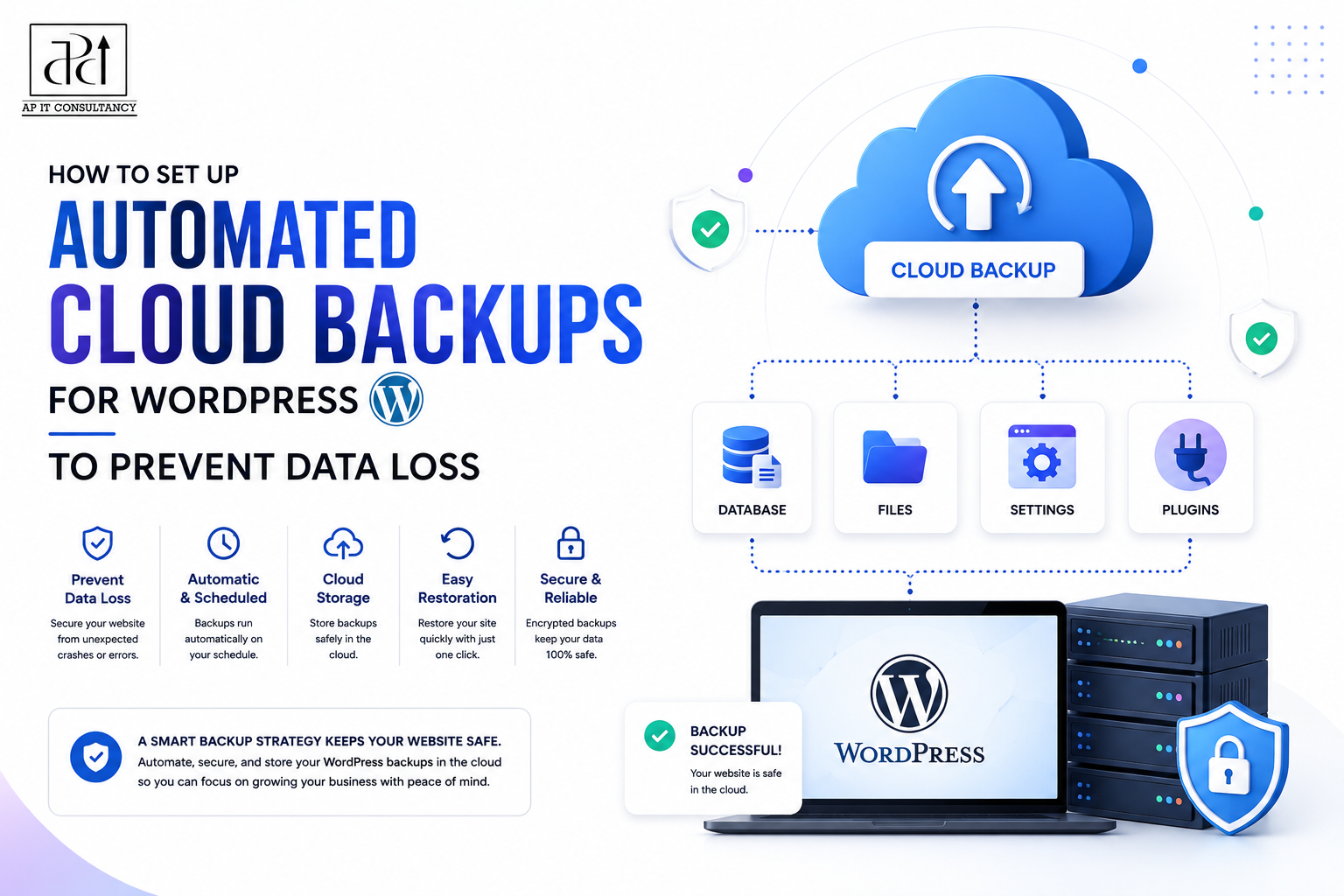
Before choosing a template, confirm that it works smoothly with popular plugins for SEO, security, caching, forms, backups, multilingual websites, and eCommerce.
Reliable compatibility reduces the risk of conflicts during updates and ensures your website remains stable over time.
Templates that receive regular updates generally maintain better compatibility with the latest WordPress releases.
Check Design Quality
Professional design builds trust with potential customers.
Look for templates featuring clean layouts, readable typography, balanced spacing, high-quality icons, and intuitive navigation.
Avoid outdated designs with cluttered pages, excessive animations, or inconsistent styling that may make your business appear less credible.
A modern, minimalist design often performs better by directing attention toward your products, services, and calls to action.
Review Documentation and Support
Even experienced developers occasionally need assistance.
Templates backed by detailed documentation, video tutorials, and responsive customer support can save hours of troubleshooting.
Active developers who regularly release updates also demonstrate long-term commitment to maintaining compatibility, fixing bugs, and improving performance.
Before purchasing a premium template, review customer ratings and support quality to ensure you’re investing in a reliable product.
Think About Future Growth
Many startups begin with simple websites but quickly expand as their business grows.
Choose a template capable of supporting additional pages, new services, online stores, blogs, membership systems, or multilingual content in the future.
A scalable template helps you avoid expensive redesigns and ensures your website can evolve alongside your business.
Planning for future growth from the beginning often saves significant time and development costs.
Common Mistakes to Avoid
Many small businesses choose templates based only on appearance.
While attractive design is important, performance, usability, and flexibility should receive equal attention.
Avoid selecting templates with outdated code, poor mobile responsiveness, limited customization options, or infrequent updates.
Ignoring page speed, plugin compatibility, or SEO readiness may lead to higher maintenance costs and reduced website performance later.
Testing live demos before making a final decision can help identify potential issues early.
Final Thoughts
Selecting the right website template is one of the most important steps in building a successful online presence for a small business or startup. A high-quality template should do more than simply look attractive—it should provide excellent performance, responsive design, SEO-friendly structure, and the flexibility to grow alongside your business.
By focusing on speed, mobile optimization, customization, plugin compatibility, scalability, and user experience, you’ll create a website that not only attracts visitors but also converts them into loyal customers. Rather than chasing the latest design trends, invest in a well-built template that supports your long-term business goals and delivers a professional experience across every device. The right foundation today can save countless hours of development while helping your business compete confidently in the digital marketplace.