Introduction
Launching a SaaS startup involves much more than building a great product. Founders need to manage user accounts, subscriptions, analytics, customer support, billing, permissions, notifications, and countless administrative tasks before the platform is ready for customers. While most startups focus heavily on developing customer-facing features, the admin dashboard is often overlooked until later stages of development. However, an efficient admin panel is essential for managing operations, monitoring business performance, and delivering a seamless experience for internal teams.
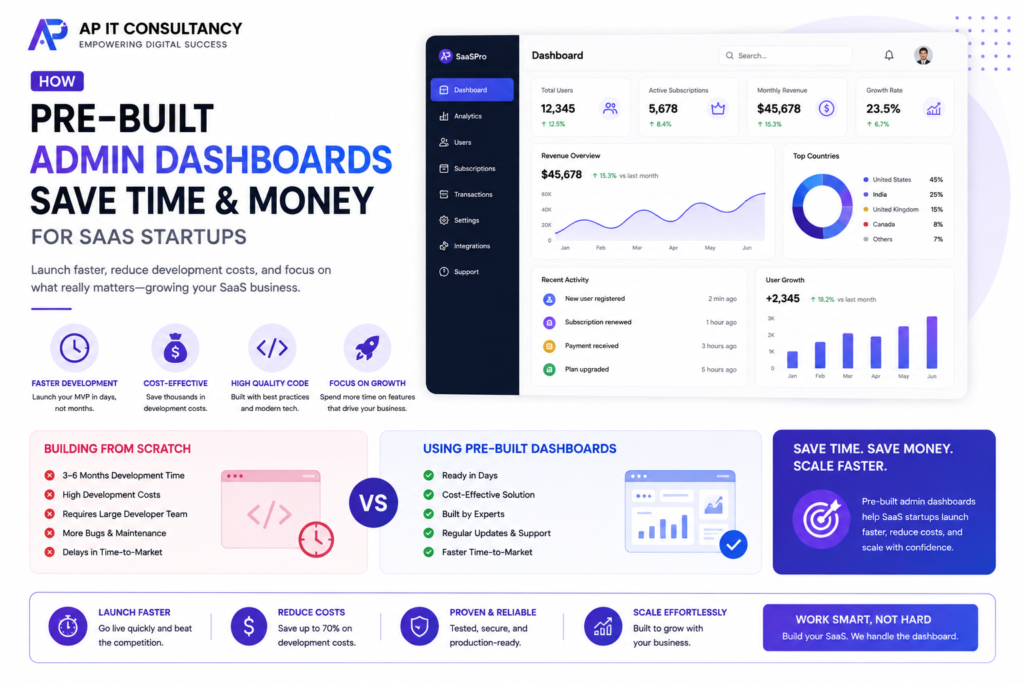
Building an admin dashboard from scratch can consume weeks or even months of valuable development time. Every feature—from authentication and user management to reports and role-based permissions—requires careful planning, coding, testing, and ongoing maintenance. For startups operating with limited budgets and small development teams, this approach can delay product launches and increase overall costs.
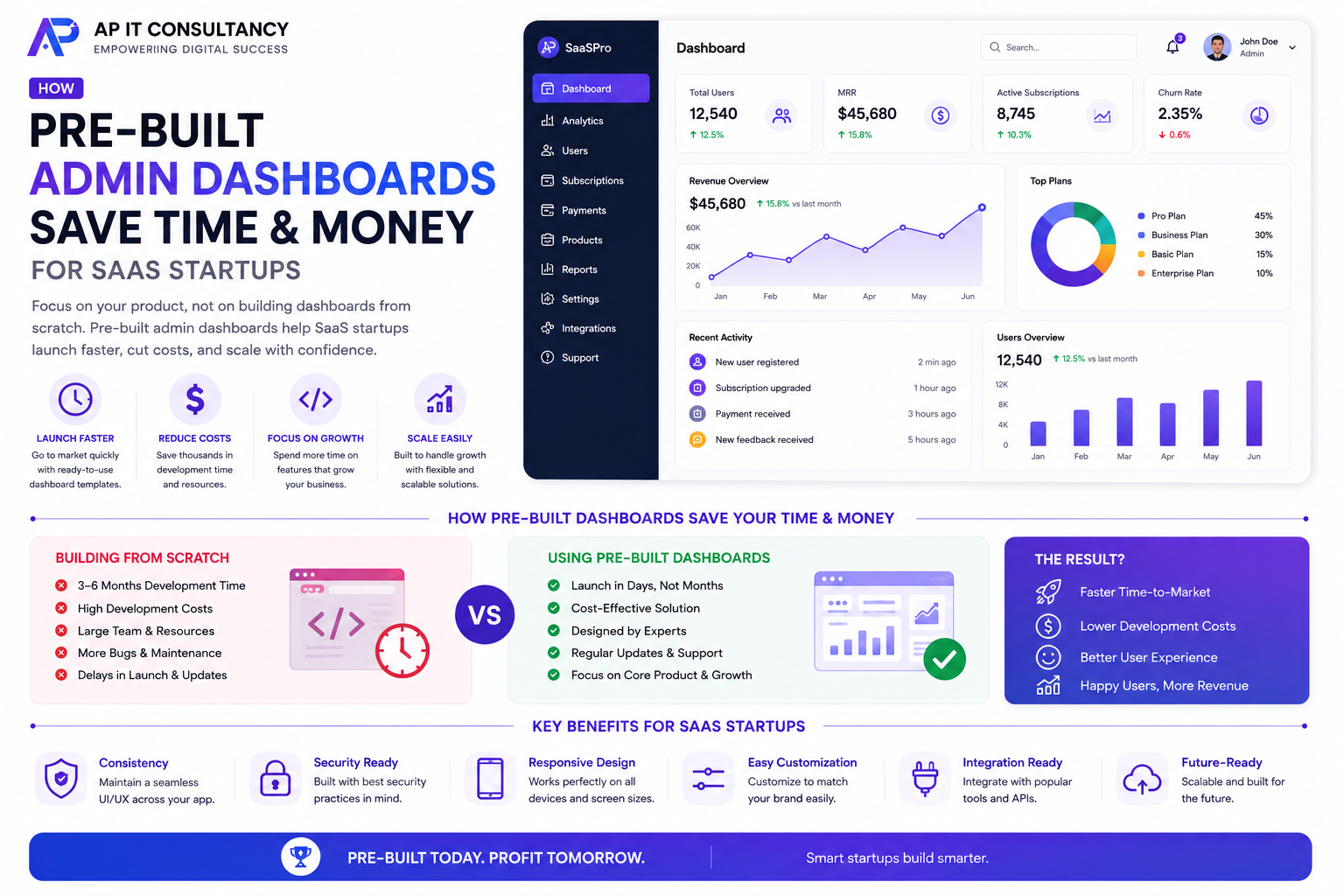
This is where pre-built admin dashboards provide significant value. Designed with modern technologies and best development practices, these ready-made solutions include the essential features most SaaS businesses need from day one. Instead of reinventing common administrative functionality, developers can focus on building the unique features that differentiate their product in the market.
In this article, we’ll explore how pre-built admin dashboards help SaaS startups save both time and money while accelerating product development and improving long-term scalability.
What Is a Pre-Built Admin Dashboard?
A pre-built admin dashboard is a professionally designed backend interface that provides the essential components required to manage a web application.
Instead of creating every page from scratch, developers receive ready-made layouts, navigation menus, authentication pages, user management systems, dashboards, charts, tables, forms, settings pages, notifications, and responsive UI components.
Most modern admin templates are built using popular frontend frameworks such as HTML5, Bootstrap, Tailwind CSS, React, Vue, Angular, or Laravel, making them easy to customize and integrate into existing projects.
These dashboards provide a strong starting point for SaaS platforms without limiting future development.
Faster Product Development
Speed is critical for every startup.
The sooner a SaaS product reaches the market, the sooner businesses can begin collecting customer feedback, validating ideas, and generating revenue.
Building an admin dashboard from scratch often requires significant effort before developers can begin working on core product features.
Pre-built dashboards eliminate much of this repetitive work by providing reusable layouts, authentication systems, navigation structures, and interface components that are already tested and optimized.
This allows development teams to dedicate more time to building unique product functionality instead of recreating standard administrative features.
Lower Development Costs
Every hour spent developing common interface elements increases project costs.
Custom dashboards require UI design, frontend development, backend integration, testing, bug fixing, documentation, and future maintenance.
For startups with limited funding, these expenses can quickly consume available resources.
Using a professionally developed admin template significantly reduces initial development costs because much of the foundational work has already been completed.
Instead of hiring designers and developers to create standard dashboard components, businesses can invest their budget in product innovation, marketing, customer acquisition, and feature development.
Professional User Interface from Day One
First impressions matter—even for internal software.
A clean, modern dashboard improves productivity by making information easier to access and administrative tasks simpler to perform.
Most premium admin templates follow established UI and UX best practices, including intuitive navigation, consistent typography, organized layouts, responsive design, and accessible interface elements.
This level of polish would often require considerable design effort if developed from scratch.
Professional dashboards also create confidence when demonstrating products to investors, partners, and early customers.
Built-In Features Save Significant Time
Modern admin dashboards include numerous features commonly required by SaaS applications.
Authentication pages, login systems, user profiles, role management, analytics charts, data tables, search functionality, notifications, calendars, activity logs, settings panels, and responsive forms are often included by default.
Many templates also provide reusable UI components such as buttons, modals, alerts, cards, dropdown menus, tabs, accordions, and validation forms.
Having these components readily available dramatically reduces development time.
Responsive Design Across Every Device
Although administrators primarily use desktop computers, many business owners monitor their platforms using tablets and smartphones.
Pre-built dashboards are typically designed using responsive frameworks that automatically adapt to different screen sizes.
Navigation menus, data tables, charts, and forms remain usable regardless of device type.
This flexibility improves productivity while supporting remote work and mobile business management.
Responsive dashboards also reduce the need for developing separate mobile administration interfaces.
Easier Customization
One common misconception is that pre-built templates limit creativity.
In reality, most modern admin dashboards are highly customizable.
Developers can modify layouts, color schemes, typography, icons, branding, navigation, widgets, and page structures to match their company’s identity.
Since the underlying architecture is already established, customization usually requires far less effort than building an entirely new interface.
This balance between flexibility and efficiency makes pre-built dashboards especially attractive for startups.
Better Code Quality and Maintainability
Well-developed admin templates typically follow modern coding standards and organized project structures.
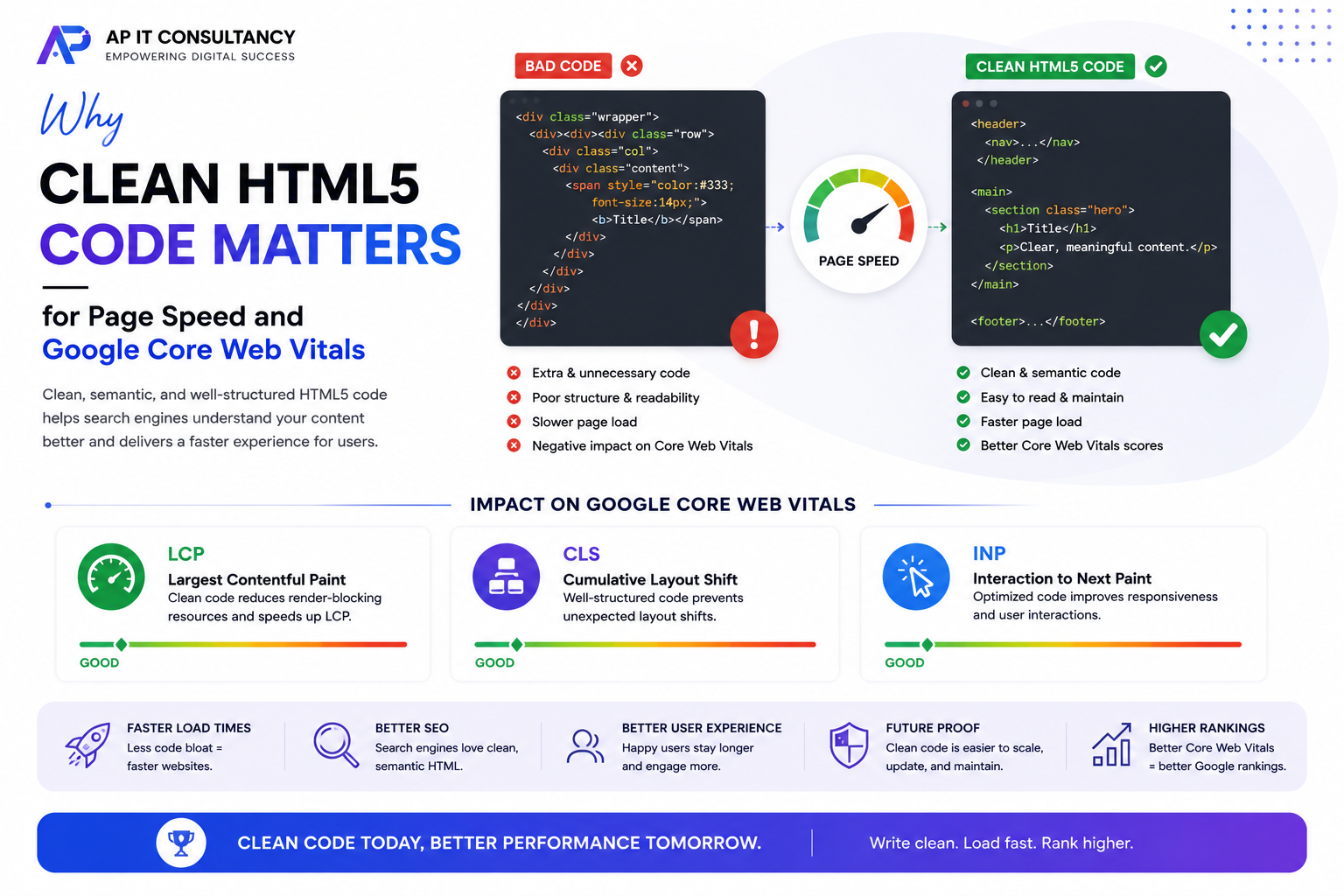
Clean HTML, modular CSS, reusable JavaScript components, and consistent file organization make future development much easier.
New developers joining the project can understand the codebase more quickly, reducing onboarding time and improving collaboration.
Maintaining standardized code also simplifies debugging and future feature expansion.
Improved Scalability
Successful SaaS startups continuously evolve.
As new customers join the platform, additional features such as subscription management, reporting, team collaboration, integrations, and advanced analytics become necessary.
Pre-built dashboards usually provide modular architectures that allow developers to add new functionality without redesigning the entire administration panel.
This scalability supports long-term business growth while protecting earlier development investments.
Integration with Modern Technologies
Most premium admin dashboards support popular development frameworks and backend technologies.
They integrate smoothly with Laravel, Node.js, Django, ASP.NET, React, Vue, Angular, Next.js, Nuxt, and other modern development stacks.
This compatibility reduces integration complexity while allowing startups to choose technologies that best match their team’s expertise.
Many templates also support REST APIs, GraphQL, authentication services, and cloud platforms.
Security Advantages
Security should never be overlooked in SaaS development.
Many professionally developed admin dashboards include secure authentication structures, role-based access controls, form validation, session handling, and coding practices that follow current security standards.
While developers remain responsible for implementing complete backend security, starting with a well-designed frontend reduces common implementation mistakes.
Regular updates from template developers also help maintain compatibility with evolving technologies.
Choosing the Right Admin Dashboard
Not every dashboard template is suitable for every startup.
When selecting a solution, consider performance, code quality, responsiveness, documentation, customization options, framework compatibility, update frequency, and community support.
Choose templates with clean code rather than excessive visual effects or unnecessary features.
Lightweight dashboards generally provide better performance and easier long-term maintenance.
Reading documentation and testing demo versions before purchase can help identify the best option for your specific project.
Final Thoughts
For SaaS startups, time and financial resources are among the most valuable assets. Spending months developing common administrative interfaces often delays product launches without providing significant competitive advantages. Pre-built admin dashboards solve this problem by offering professionally designed, feature-rich foundations that dramatically reduce development time while lowering overall project costs.
By leveraging responsive layouts, reusable UI components, clean code, built-in authentication pages, analytics, and scalable architecture, startups can focus on what truly matters—building innovative features that attract and retain customers. Whether you’re launching your first SaaS product or expanding an existing platform, investing in a high-quality pre-built admin dashboard is a practical decision that accelerates development, improves productivity, and supports long-term business growth.