Introduction
Choosing the right website template is one of the most important decisions before starting any web development project. Whether you’re building a business website, startup landing page, SaaS platform, portfolio, eCommerce store, or admin dashboard, the template you choose will directly impact your website’s design, performance, scalability, and overall user experience. Today, developers have more choices than ever, with Pure HTML5 templates, Bootstrap templates, and Tailwind CSS templates being among the most popular options.
Each approach offers unique advantages depending on your project requirements. Pure HTML5 templates focus on lightweight code, excellent loading speed, and maximum flexibility. Bootstrap templates provide a ready-made responsive framework with pre-designed components that speed up development. Tailwind CSS templates offer a utility-first approach that gives developers complete control over design while maintaining excellent performance and modern aesthetics.
Many businesses struggle to decide which option is best because every project has different goals. A simple landing page may benefit from lightweight HTML5, while a corporate website might require Bootstrap’s extensive component library. On the other hand, startups building modern web applications often prefer Tailwind CSS because of its flexibility and highly customizable design system.
Understanding the strengths, limitations, and ideal use cases of each template type helps developers make informed decisions that improve website performance, reduce development time, and support long-term growth. In this article, we’ll compare Pure HTML5, Bootstrap, and Tailwind CSS templates to help you determine which solution is the best fit for your next web project.
What Are Pure HTML5 Templates?
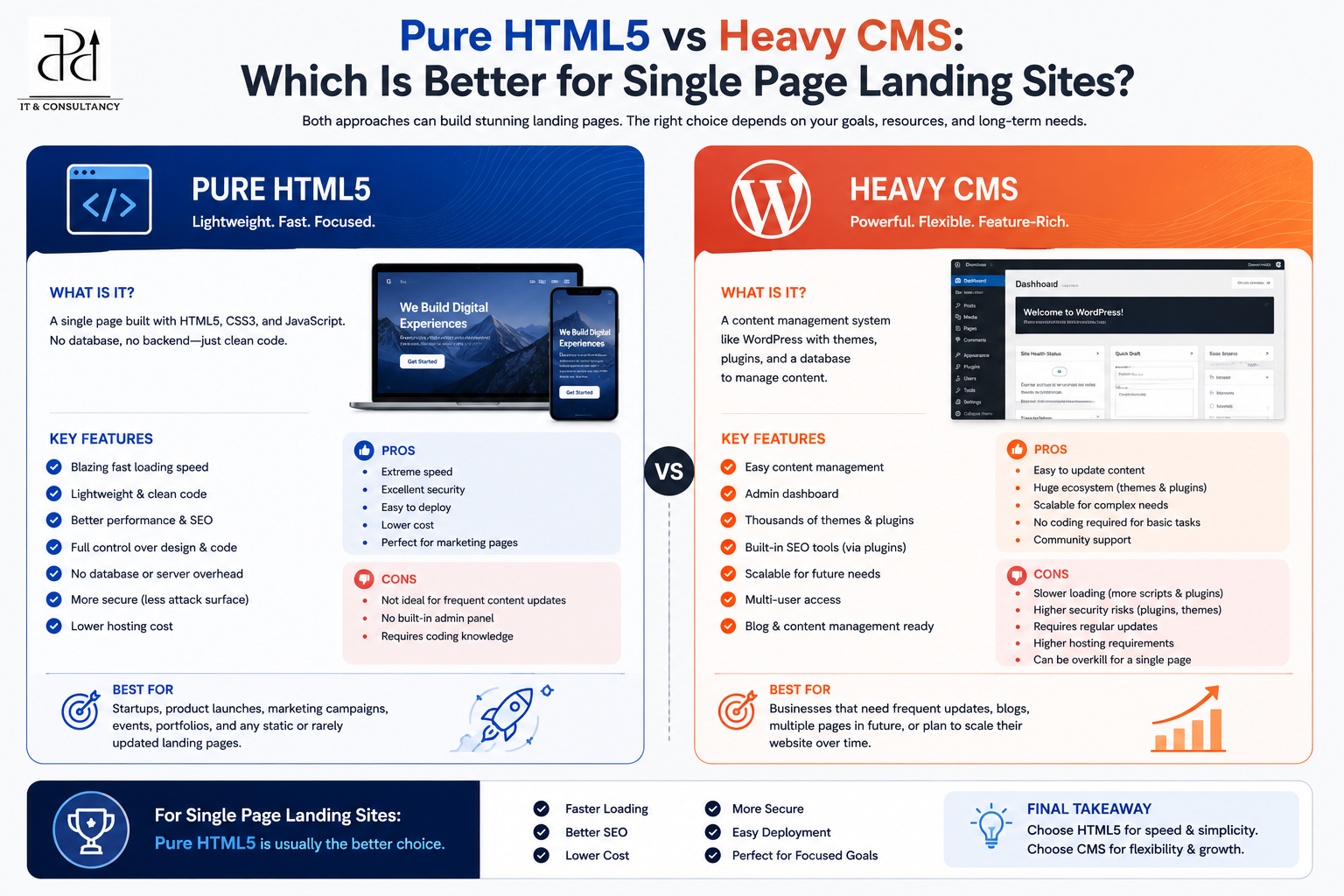
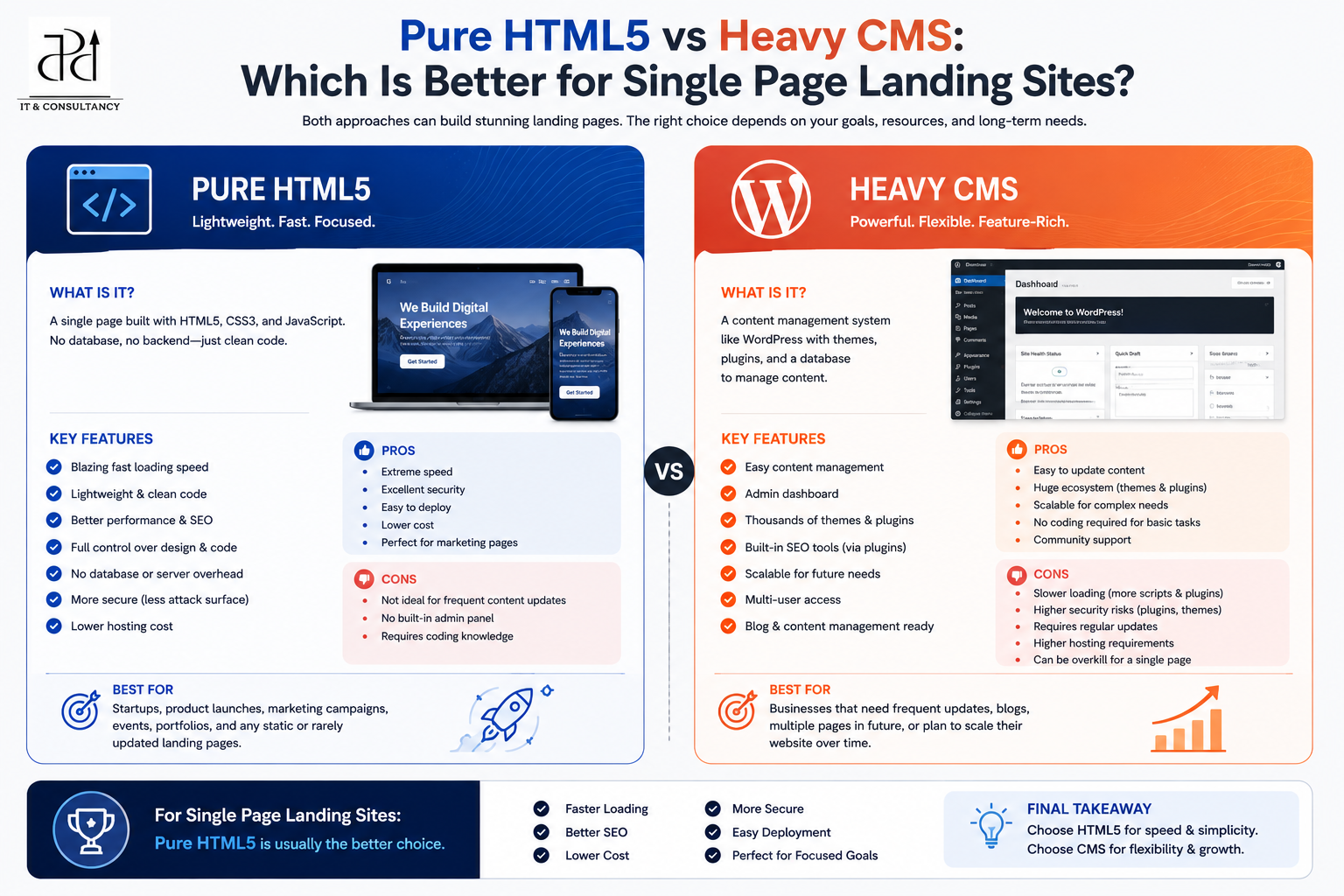
Pure HTML5 templates are built using standard HTML5, CSS3, and JavaScript without depending on large frontend frameworks.
They are lightweight, fast-loading, and easy to customize because developers have complete control over the source code.
Since there are no unnecessary dependencies, HTML5 templates usually achieve excellent page speed and Core Web Vitals scores.
These templates are ideal for landing pages, portfolios, company websites, event pages, and other projects where simplicity and performance are top priorities.
Understanding Bootstrap Templates
Bootstrap is one of the world’s most widely used frontend frameworks.
Bootstrap templates include pre-designed layouts, responsive grids, buttons, forms, navigation menus, modals, cards, tables, and many other ready-to-use interface components.
Developers can create responsive websites much faster without building common UI elements from scratch.
Bootstrap is especially popular for business websites, dashboards, corporate portals, educational websites, and administrative systems.
Its extensive documentation and large community make development easier for beginners and experienced developers alike.
What Are Tailwind CSS Templates?
Tailwind CSS follows a utility-first approach rather than providing pre-designed components.
Instead of relying on predefined interface elements, developers build custom layouts using utility classes.
This approach offers greater design flexibility while producing lightweight, highly optimized websites.
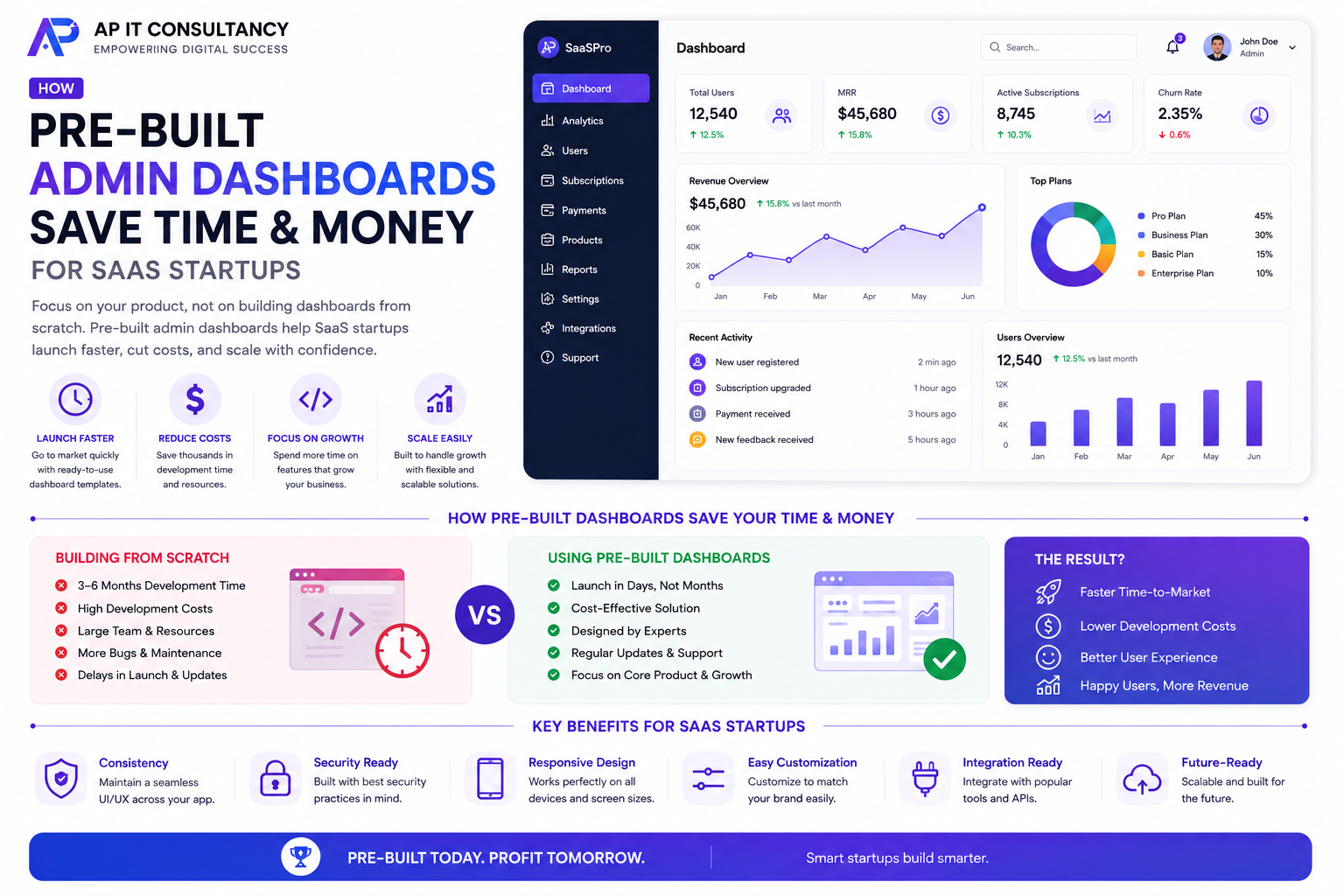
Tailwind templates have become increasingly popular for startups, SaaS platforms, modern dashboards, web applications, and highly customized business websites.
They allow developers to create unique interfaces without fighting against predefined styles.
Website Performance Comparison
Performance is one of the biggest factors when choosing a template.
Pure HTML5 templates generally provide the fastest loading speeds because they contain only the code required for the website.
Bootstrap includes a larger CSS library and additional components, which may increase page size if unused features are not removed.
Tailwind CSS uses a build process that eliminates unused styles, often resulting in smaller production files than traditional frameworks.
All three approaches can deliver excellent performance when optimized properly.
Responsive Design
Modern websites must work perfectly on every screen size.
Bootstrap includes a powerful responsive grid system that makes mobile-friendly development straightforward.
Tailwind CSS also offers responsive utilities that provide precise control over layouts across different devices.
Pure HTML5 templates rely on manually written responsive CSS but offer complete flexibility.
Each option supports responsive design, although the development experience differs.
Customization Flexibility
Customization requirements vary from project to project.
Pure HTML5 offers complete freedom because every element is manually coded.
Bootstrap templates are highly customizable but often require overriding default styles.
Tailwind CSS provides exceptional flexibility by allowing developers to create custom designs without inheriting predefined component styles.
For businesses seeking unique branding, Tailwind often provides the most creative freedom.
Development Speed
Bootstrap remains one of the fastest solutions for rapid website development.
Its large collection of reusable components significantly reduces development time.
Pure HTML5 may require additional coding since every interface element is created manually.
Tailwind CSS initially involves a learning curve, but experienced developers often build interfaces more efficiently thanks to reusable utility classes.
Choosing the right approach depends on both project complexity and team experience.
SEO Benefits
Search engine optimization depends primarily on clean code, page speed, mobile responsiveness, and proper website structure.
Pure HTML5 naturally produces semantic, lightweight pages that search engines can crawl efficiently.
Bootstrap and Tailwind templates can also achieve excellent SEO results when implemented correctly.
Proper heading structures, optimized metadata, descriptive URLs, image optimization, and fast loading speeds remain important regardless of the chosen framework.
Maintenance and Scalability
Long-term maintenance should always be considered.
Pure HTML5 websites are relatively simple to maintain for smaller projects but may become harder to manage as websites grow.
Bootstrap provides structured development practices that simplify collaboration across larger teams.
Tailwind CSS scales exceptionally well because of its utility-based architecture and reusable design systems.
Large applications often benefit from Tailwind’s modular approach.
Which Template Is Best for Different Projects?
Pure HTML5 templates are an excellent choice for landing pages, portfolios, brochure websites, event pages, and marketing campaigns where speed and simplicity matter most.
Bootstrap templates work well for business websites, corporate portals, admin dashboards, educational platforms, and projects requiring rapid development with standardized components.
Tailwind CSS templates are ideal for startups, SaaS products, modern web applications, enterprise dashboards, and highly customized websites that prioritize unique design and long-term scalability.
The best option depends entirely on your project goals and development workflow.
Final Thoughts
Pure HTML5, Bootstrap, and Tailwind CSS templates each offer valuable advantages for modern website development. Pure HTML5 delivers exceptional speed, clean code, and complete flexibility, making it ideal for lightweight websites focused on performance. Bootstrap accelerates development with its extensive collection of responsive components, making it a reliable choice for business websites and administrative systems. Tailwind CSS combines excellent performance with unmatched customization, giving developers the freedom to build modern, scalable, and visually distinctive web applications.
Rather than asking which framework is universally better, it’s more important to evaluate your project’s specific requirements. Consider factors such as development speed, design flexibility, scalability, maintenance, SEO, and long-term business goals before making a decision. Choosing the right template foundation will help you create a website that performs well, delivers an outstanding user experience, and supports your business as it continues to grow.